Verified Biology & Law
Anatomical traits, osmoconformer salinity dynamics, published public-health rules (such as EU Regulation 853/2004 and Codex shellfish codes), and physical farming gear mechanics.
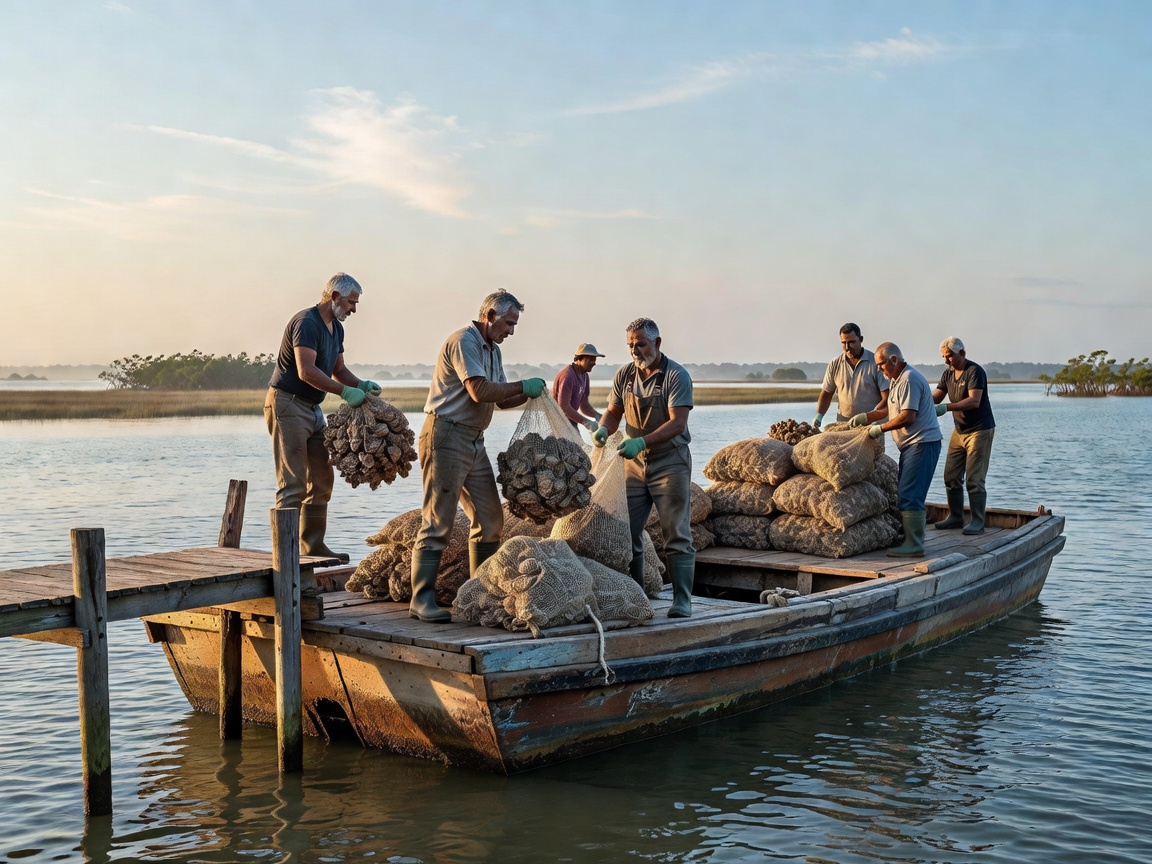
Oyster diners regularly encounter romantic menu prose—references to wild currents, historic bays, and mineral bouquets—yet rarely receive clear answers about how an oyster was grown, whether it spent two days in a UV depuration tank, or why the same bay tastes brisk in November and lighter after April rain.
scandipebblebiscuit.asia was created as an independent informational reference for curious guests, front-of-house staff, and hospitality buyers. We do not sell shellfish, endorse commercial hatcheries, or accept paid restaurant placements.
To keep our fieldnotes transparent and practical, our writing applies three clear distinctions across every topic page:
Anatomical traits, osmoconformer salinity dynamics, published public-health rules (such as EU Regulation 853/2004 and Codex shellfish codes), and physical farming gear mechanics.
Rotational bag-flipping intervals, stocking density targets, and proprietary finishing claims—reported accurately as management practices rather than guaranteed sensory outcomes.
Sensory vocabulary—brine, copper finish, melon rind, creamy body—framed as helpful shorthand for conversation rather than laboratory measurement.
Coastal regulations, taxonomic classifications (such as the ongoing scientific usage of Magallana gigas alongside Crassostrea gigas), and regional water classifications evolve over time. If you spot a technical inaccuracy or outdated citation in these notes, please write to our editorial desk via the Contact page.
We use cookies
Essential cookies keep this site working. Optional ones help us see what is useful. You can change your choice at any time. Read more